Common Repairs Every Homeowner Should Be Ready For
Owning a home is a rewarding experience, but it also comes with the responsibility of maintaining it. Over time, various issues can arise that require prompt attention to prevent further damage and costly repairs. Being prepared for common home repairs can save you time, money, and stress. This guide will walk you through some of the most frequent repairs homeowners face, practical tips on handling them, and when to call in professional help.
Understanding Common Home Repairs and How to Handle Them
Home repairs can range from minor fixes to major renovations. Knowing what to expect and how to address these issues can make a significant difference in maintaining your home's value and comfort.
Plumbing Problems
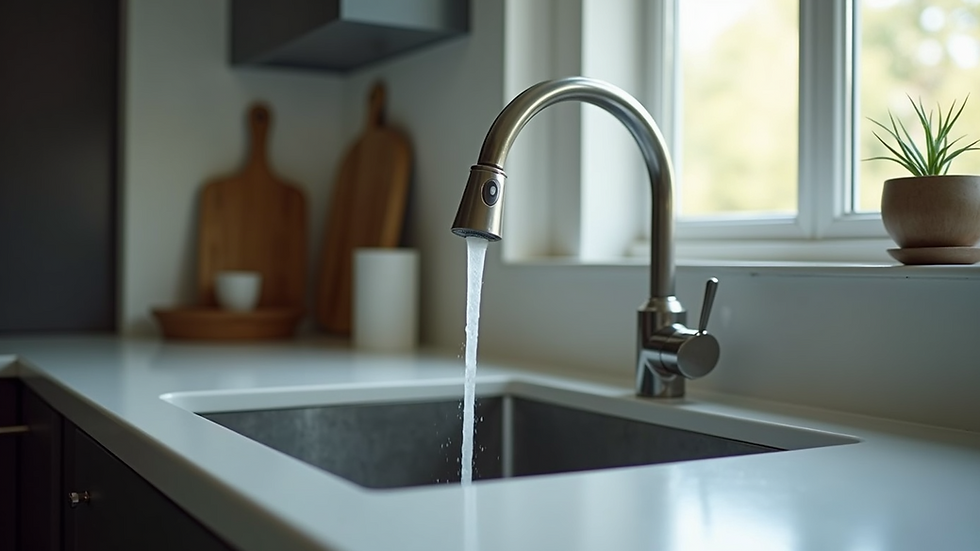
One of the most common issues in any home involves plumbing. Leaky faucets, running toilets, and clogged drains are typical problems that can escalate if ignored.
Leaky Faucets: A dripping faucet wastes water and increases your utility bill. Often, the fix is as simple as replacing a worn-out washer or cartridge.
Running Toilets: This can be caused by a faulty flapper valve or fill valve. Fixing it usually involves replacing these parts, which are inexpensive and easy to install.
Clogged Drains: Hair, grease, and debris can block drains. Use a plunger or a drain snake to clear minor clogs. Avoid chemical drain cleaners as they can damage pipes.
Regularly inspecting your plumbing fixtures and addressing small leaks promptly can prevent water damage and mold growth.
Electrical Issues
Electrical problems can be dangerous and should be handled with care. Common issues include flickering lights, faulty outlets, and circuit breaker trips.
Flickering Lights: This may indicate loose wiring or a failing bulb. Check the bulb first, then inspect the fixture for loose connections.
Faulty Outlets: Outlets that don’t work or feel warm to the touch should be replaced immediately to avoid fire hazards.
Circuit Breaker Trips: Frequent trips can signal overloaded circuits or short circuits. Avoid overloading outlets and unplug unnecessary devices.
For any electrical repairs beyond simple bulb replacements or outlet resets, it is best to consult a licensed electrician.

Essential Home Repairs You Should Know About
Being proactive with home repairs can prevent small problems from turning into expensive disasters. Here are some essential repairs every homeowner should be familiar with.
Roof and Gutter Maintenance
Your roof and gutters protect your home from water damage. Regular maintenance is crucial.
Roof Leaks: Look for missing or damaged shingles, especially after storms. Small leaks can be patched with roofing cement, but extensive damage requires professional repair.
Gutter Cleaning: Clogged gutters cause water to overflow and damage your foundation. Clean gutters at least twice a year, removing leaves and debris.
Downspout Checks: Ensure downspouts direct water away from your home’s foundation to prevent basement flooding.
Ignoring roof and gutter issues can lead to mold, wood rot, and structural damage.
HVAC System Repairs
Heating, ventilation, and air conditioning (HVAC) systems are vital for comfort. Regular servicing can extend their lifespan.
Filter Replacement: Change filters every 1-3 months to maintain air quality and system efficiency.
Strange Noises: Unusual sounds may indicate loose parts or motor issues.
Thermostat Problems: If your thermostat is unresponsive, check batteries or consider upgrading to a programmable model.
Scheduling annual professional inspections can catch problems early and improve energy efficiency.

What do most handymen charge per hour?
Understanding the cost of hiring a handyman can help you budget for home repairs. Rates vary depending on location, experience, and the complexity of the job.
Average Hourly Rate: Most handymen charge between $50 and $100 per hour.
Minimum Charges: Some may have a minimum charge for small jobs, often around one to two hours.
Materials and Supplies: These are usually extra and should be discussed upfront.
Project Estimates: For larger projects, handymen often provide a flat rate estimate.
When hiring, ask for a detailed quote and check reviews or references. This ensures you get quality work at a fair price.
When to Call a Professional for Home Repairs
While many repairs can be tackled by homeowners, some require professional expertise to ensure safety and quality.
Structural Repairs: Cracks in foundations or walls should be evaluated by a structural engineer or experienced contractor.
Major Plumbing or Electrical Work: Complex installations or repairs should be handled by licensed professionals.
Roof Repairs: Due to the risk of falls and the need for specialized tools, roof work is best left to experts.
Pest Infestations: Professional pest control is necessary to effectively eliminate infestations.
For routine maintenance and smaller repairs, consider hiring handyman services to save time and ensure the job is done right.
Preparing for Home Repairs: Tips and Tools Every Homeowner Needs
Being prepared with the right tools and knowledge can make home repairs less daunting.
Basic Tool Kit: Include a hammer, screwdrivers, pliers, adjustable wrench, tape measure, level, and utility knife.
Safety Gear: Gloves, safety glasses, and a dust mask protect you during repairs.
Instructional Resources: Use online tutorials and manuals to guide you through simple repairs.
Regular Inspections: Schedule seasonal checks to catch issues early.
Having these essentials on hand empowers you to handle minor repairs confidently and know when to seek professional help.
Taking care of your home is an ongoing process. By understanding common repairs and knowing when to act, you can keep your home safe, comfortable, and valuable for years to come. Whether you choose to DIY or hire professionals, staying informed is the key to successful home maintenance.


Comments